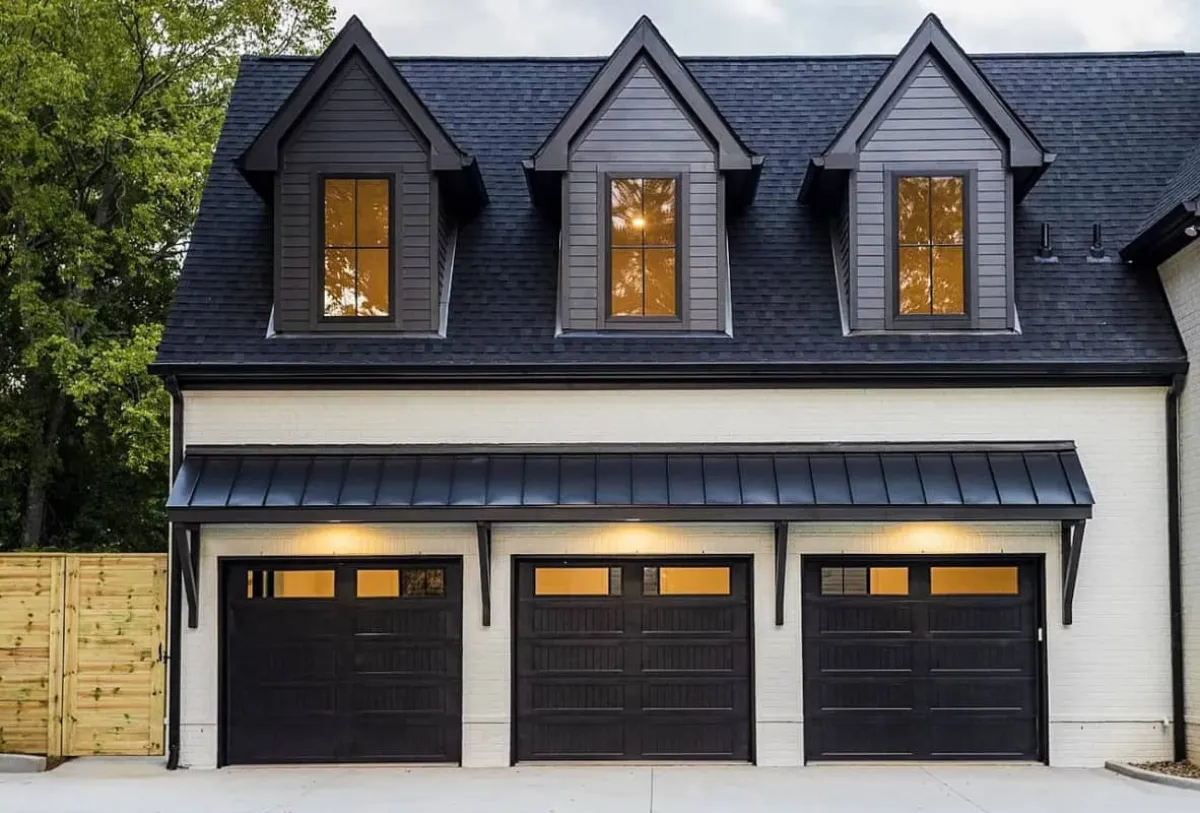
Central Oregon winters don't just make your commute harder — they're slowly destroying your garage door. Our combination of sub-zero nights, heavy snow, intense UV at altitude, and volcanic dust creates conditions that no sea-level maintenance guide accounts for. Here's what actually matters if you live in Bend, Redmond, Sisters, or anywhere in Deschutes County.
The Central Oregon Problem
At 3,600 feet elevation, we get roughly 150 nights per year where temperatures drop below freezing. That's 150 cycles of metal expanding during the day and contracting at night. Standard garage door grease solidifies below 20°F, turning your smooth-operating door into a grinding, jerking mess. Meanwhile, the rubber seals that keep weather out are freezing to the concrete every night and tearing slightly each morning when you open the door.
The result: garage doors in Central Oregon fail 20-30% sooner than identical doors at sea level. Springs that should last 10 years break at 6. Seals rated for 10 years crack at 5. Lubricant that should last 6 months dries out in 3.
Pre-Winter Checklist (Do This in October)
The best time to winterize your garage door is before the first hard freeze. In Central Oregon, that's usually late October or early November. Here's what to do:
1. Replace Your Lubricant
This is the single most important winter prep step. Standard garage door lubricant (the stuff in the spray can at the hardware store) turns to paste below 20°F. Switch to a silicone-based lubricant rated for sub-zero temperatures. Apply it to:
- All roller stems and bearings
- Both torsion springs (coat the entire coil)
- All hinge pivot points (7 per section × number of sections)
- The lock mechanism if you have one
- The opener chain or belt — follow manufacturer recommendations
Do NOT lubricate the tracks themselves — the rollers should glide in clean tracks. Lubricant on tracks attracts dust and creates a sticky mess.
2. Inspect and Replace Weather Seals
Close the door on a sunny day and stand inside. Any light means cold air is getting in. Check:
- Bottom seal — this takes the most abuse. Press your thumbnail into the rubber. If it cracks or doesn't spring back, replace it. In Central Oregon, expect to replace bottom seals every 5-7 years due to UV and freeze-thaw.
- Side seals (astragal) — check for gaps, especially at the corners where the bottom seal meets the side seal
- Top seal — often overlooked, but rain and snowmelt drip behind the header if this fails
A threshold seal mounted to the floor is highly recommended for Bend-area homes — it creates a secondary barrier that stops snow melt from creeping under the door.
3. Test the Balance
Disconnect the opener by pulling the emergency release cord. Lift the door manually to about waist height and let go. A properly balanced door stays in place. If it drops, the springs have lost tension and are working harder than they should — which means they'll fail sooner in cold weather when the metal is most stressed.
4. Check the Auto-Reverse
Cold weather can affect the force settings on your opener. Place a 2×4 flat on the ground in the door's path and close the door. It should reverse upon contact. Also wave your foot through the photo-eye beam — the door should stop and reverse. If either test fails, adjust the force settings or call us.
5. Tighten All Hardware
Thermal cycling loosens bolts and brackets over time. With a socket wrench, tighten:
- Roller bracket bolts on each section
- Hinge screws (check for stripped holes — common on older doors)
- Track mounting brackets (the vertical tracks can shift over time)
- Opener bracket (the thing holding the motor to the ceiling)
6. Inspect Springs and Cables
Look (don't touch) at the torsion spring above the door. Check for:
- Visible gaps or separations in the coils = spring is broken
- Rust, especially at the ends where the spring meets the cones
- Uneven coil spacing = spring is losing tension
Check the cables for fraying, especially where they connect to the bottom brackets. Frayed cables can snap without warning — a dangerous situation at any temperature.
During Winter
Keep the Bottom Clear
Snow and ice buildup along the bottom of the door is the most common winter problem we see. When snow melts and refreezes, it can bond the door seal to the concrete. Opening the door in the morning tears the seal. Clear snow from the base of the door regularly — especially after storms.
Don't Force a Stuck Door
If the door feels heavier than normal or won't open, don't keep hitting the button. The opener will strip its gears trying to lift a door that's frozen to the ground or has a broken spring. Disconnect the opener, try lifting manually, and if it won't budge — call us. Forcing it causes + in opener damage on top of the original problem.
Monitor for Condensation
Attached garages in Central Oregon are prone to condensation — warm air from the house meets the cold garage and moisture forms on metal surfaces. This accelerates rust on springs, cables, and hardware. If you see water droplets on the springs or tracks, improve ventilation or consider insulating the door.
Spring Recovery Inspection
After winter, schedule a tune-up in March or April. Central Oregon's winter puts more stress on garage door components than most climates. A spring that was marginal in October might be ready to snap by April. We catch these during annual inspections — a tune-up prevents a emergency spring replacement.
Call us at 541-203-7676 to schedule your pre-winter or post-winter inspection. Same-day appointments usually available Mon-Fri.