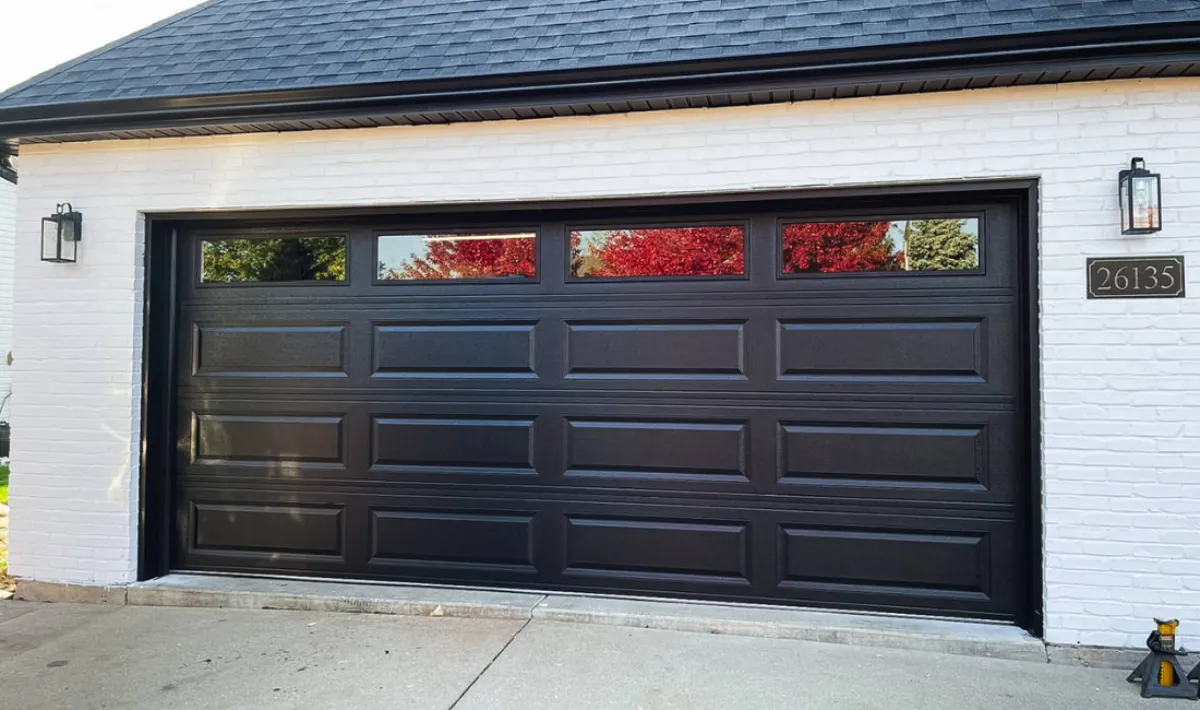
You hit the button, the door starts going down, and then — it stops and reverses right back up. Or it touches the ground and immediately bounces back open. This is one of the most common calls we get, and the good news is that 85% of the time it's fixable in minutes.
How the Auto-Reverse System Works
Every garage door opener manufactured since 1993 is required to have two independent safety systems:
- Photo-eye sensors — two small sensors at the bottom of the tracks (about 6 inches off the ground) that shoot an invisible beam across the opening. If anything breaks the beam, the door reverses.
- Force sensitivity — the opener monitors how much resistance the door meets while closing. If it hits something (or thinks it hit something), it reverses.
When your door reverses, one of these two systems is triggering. The fix depends on which one.
Cause #1: Dirty or Misaligned Photo-Eye Sensors (Most Common)
This is the fix 60% of the time. The sensor lenses get dirty — especially in Central Oregon where volcanic dust, pollen, and cobwebs accumulate fast. One dirty lens and the beam can't connect, so the opener thinks something is in the way.
Fix it yourself: Wipe both sensor lenses with a soft cloth. Make sure both green LED lights are solid (not blinking). If one is blinking, the beam isn't connecting — gently adjust the sensor until the light goes solid.
Cause #2: Sunlight Interference
Direct sunlight hitting a sensor lens can overwhelm the infrared beam. This usually happens in late afternoon when the sun is low. You'll notice the door works fine in the morning but reverses every evening.
Fix it yourself: Shield the sensor from direct sunlight with a small cardboard tube or buy sensor sun shields (about $5). We see this constantly on west-facing garages in Bend.
Cause #3: Force Setting Too Sensitive
The opener has a force adjustment that controls how much resistance triggers a reversal. If it's set too low, the door reverses when it hits the floor because the floor contact registers as an obstruction.
Fix it yourself: Most openers have a small screw or dial labeled "close force" on the back of the motor unit. Turn it slightly clockwise (about a quarter turn) and test. Don't overdo it — you still want the door to reverse if it actually hits something.
Cause #4: Track Obstruction or Misalignment
Something in the track — a bent section, debris, or a rock — can cause enough resistance that the opener thinks the door hit an obstacle. Tracks can also shift over time, especially in homes with settling foundations.
Check it yourself: Visually inspect both tracks from top to bottom. Look for bends, dents, or debris. Also check that the tracks are plumb (vertical) and parallel. If you see a bend, call us — forcing a door through a bent track can damage the panels.
Cause #5: Broken or Worn Springs
When springs lose tension (or one breaks), the door becomes much heavier for the opener to lift and lower. The opener senses the extra resistance and reverses. This is especially common in Central Oregon where temperature swings stress springs constantly.
Don't fix this yourself. Spring repair requires releasing 200+ pounds of tension. Call us at 541-203-7676 and we can usually be there same-day.
Cause #6: Worn Opener Gears or Logic Board
If you've checked everything above and the door still reverses, the problem may be internal to the opener — worn drive gears, a failing capacitor, or a glitchy logic board. Older openers (15+ years) are especially prone to this.
Call a pro: Internal opener repair requires diagnosis of specific components. We can usually determine whether repair or replacement makes more sense based on the opener's age and condition.
The Quick Test
Place a 2x4 flat on the ground in the door's path. Close the door. It should reverse when it contacts the board. If it doesn't reverse, your safety system has failed — call us immediately. This is a serious hazard, especially with kids and pets.
When to Call Brokentop
If cleaning the sensors and checking the force setting doesn't solve it, call us at 541-203-7676. Most reversing issues are fixed in one visit because we carry the common parts on the truck. Same-day service Mon-Fri.